The automobile button production line is an automated or semi-automated production system specifically designed for manufacturing automotive electroni...
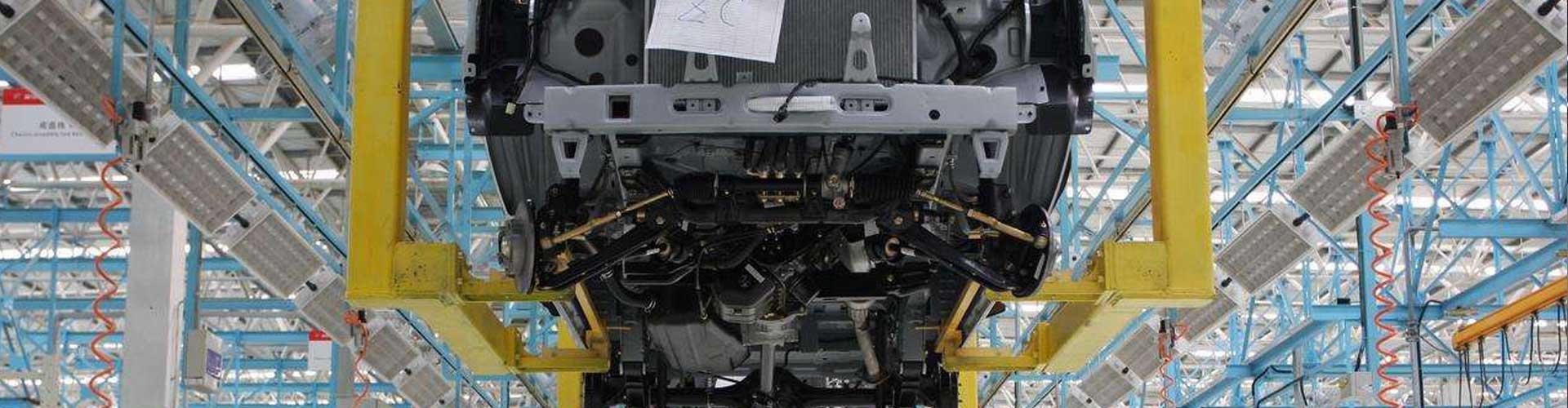
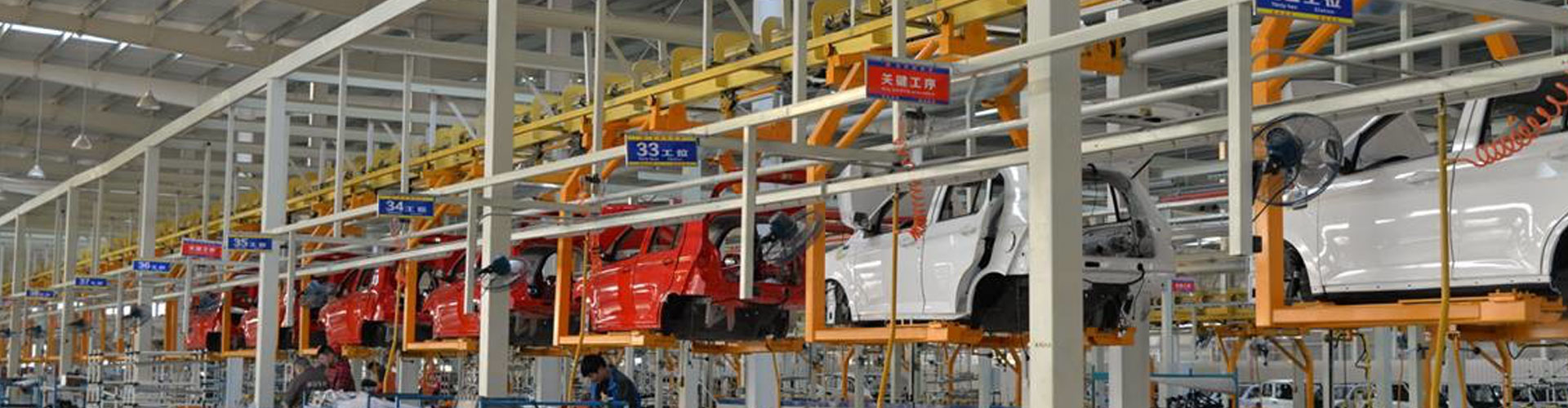
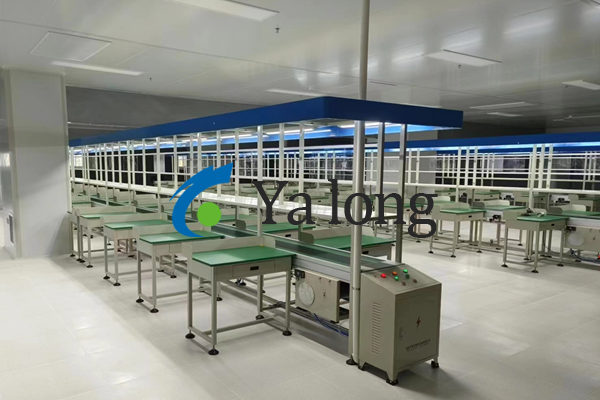
The automobile button production line is an automated or semi-automated production system specifically designed for manufacturing automotive electronic components. Such production lines typically include multiple processes to ensure efficient, high-quality production of standard-compliant electronic components.
The equipment in an automotive electronics production line usually includes the following categories:
Feeding System: Used to deliver raw materials such as electronic components, plastic parts, and metal parts into the production line.
SMT (Surface Mount Technology) Equipment: Completes the surface mounting of electronic components, a key process in electronic component production.
Wave Soldering Machine or Selective Soldering Equipment: Performs soldering processing on mounted circuit boards.
Automated Inspection Equipment: Conducts circuit testing, functional testing, and visual inspections to ensure product quality.
Aging Test Equipment: Performs aging tests on electronic products to verify their long-term stability and reliability.
Packaging Equipment: Packages products that have passed inspection in preparation for shipment.
Information Management System: Monitors and manages the production process through the MES system, enabling data collection and analysis.
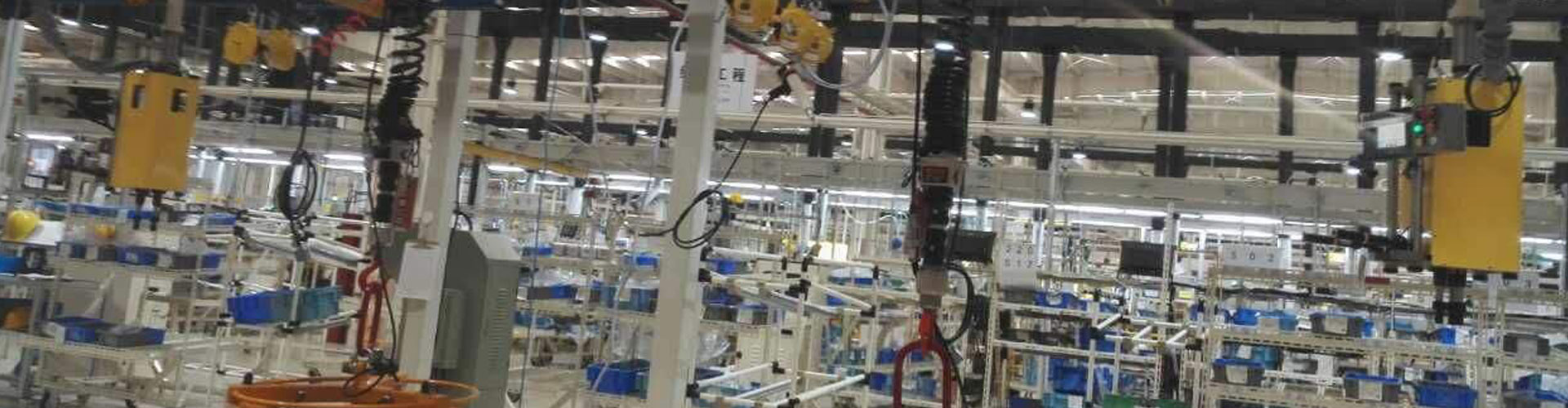
Robots and Automated Conveying Systems: Used to improve production efficiency and reduce manual operations.
When selecting suitable automotive electronics production line equipment, the following key factors need to be considered:
Production Requirements: Clarify which type of automotive electronic product the production line needs to produce, such as sensors, controllers, actuators, or connectors. Different products may require different production line equipment.
Automation Level: Consider the overall automation level of the production line, including robotic assembly lines, automated soldering robots, conveyor systems, unmanned forklifts and AGVs, intelligent vision systems, and automated storage systems.
Quality Control: Ensure that the production line equipment can achieve strict quality testing, including circuit testing, functional testing, and visual inspections.
Flexibility and Scalability: Choose equipment that can adapt to future product changes and expansions, allowing upgrades and adjustments without replacing the entire production line.
Technical Compatibility: Ensure that new equipment is compatible with existing information management tools, such as MES system communication interfaces and Andon system communication interfaces.
Customization Requirements: If standard production line equipment cannot meet specific needs, consider customized production line equipment.
After considering the above factors comprehensively, a detailed technical specification and requirement list can be developed and communicated with equipment suppliers to ensure that the selected equipment meets production needs.
Previous: Car seat production line
Next: Automobile chassis assem...