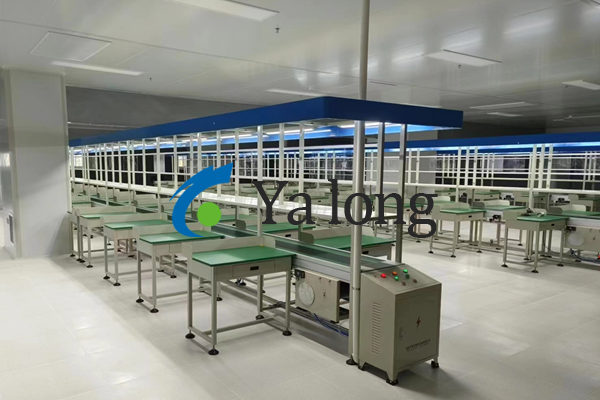
The car button production line is an automated or semi-automated production system specially designed to produce automotive electronic parts. These production lines usually include multiple processes to ensure efficient and high-quality production of electronic components that meet standards.
The equipment of the automotive electronics production line usually includes the following types:
- Loading system: Used to feed raw materials such as electronic components, plastic parts, and metal parts into the production line.
- SMT (Surface Mount Technology) equipment: Performs surface mounting of electronic components, which is a key step in the production of electronic accessories.
- Wave soldering machine or selective soldering equipment: Solders the circuit boards after mounting.
- Automated inspection equipment: Conducts circuit testing, function testing, and appearance inspection to ensure product quality.
- Aging test equipment: Conducts aging tests on electronic products to verify their long-term stability and reliability.
- Packaging equipment: Packages the products that have passed the test and prepares them for shipment.
- Information management: The MES system monitors and manages the production process to realize data collection and analysis.
- Robots and automated conveyor systems: Used to improve production efficiency and reduce manual operations.
When selecting suitable automotive electronics production line equipment, the following key factors need to be considered:
- Production requirements: First, clarify which types of automotive electronic products your production line needs to produce, such as sensors, controllers, actuators, or connectors. Different products may require different production line equipment.
- Degree of automation: Consider the degree of automation of the production line, including robot automatic assembly lines, automated welding robots, conveyor belt systems, unmanned forklifts and AGVs, intelligent vision systems, and automated warehousing systems.
- Quality control: Ensure that the equipment on the production line can conduct strict quality inspection, including circuit testing, function testing, and appearance inspection.
- Flexibility and expandability: Select equipment that can adapt to future product changes and expansions, so that upgrades and adjustments can be made without replacing the entire production line.
- Technical compatibility: Ensure that the new equipment is compatible with existing information management tools such as the MES system communication interface and Andon communication interface.
- Customization requirements: If the standard production line equipment cannot meet specific needs, customized production line equipment can be considered.
By comprehensively considering the above factors, a detailed list of technical specifications and requirements can be formulated, and then communicate with equipment suppliers to ensure that the selected equipment can meet the production needs.