Can Motorcycle Assembly Lines, Tricycle Assembly Lines, and E-bike Assembly Lines Actually Share the Same Technology? A Veteran Engineer with 10+ Years of Experience Tells All
The first time many people walk into a workshop for e-bike, motorcycle, and tricycle assembly, they think—these two things look so completely different, so their assembly lines must be totally different, right?
Actually, not really.
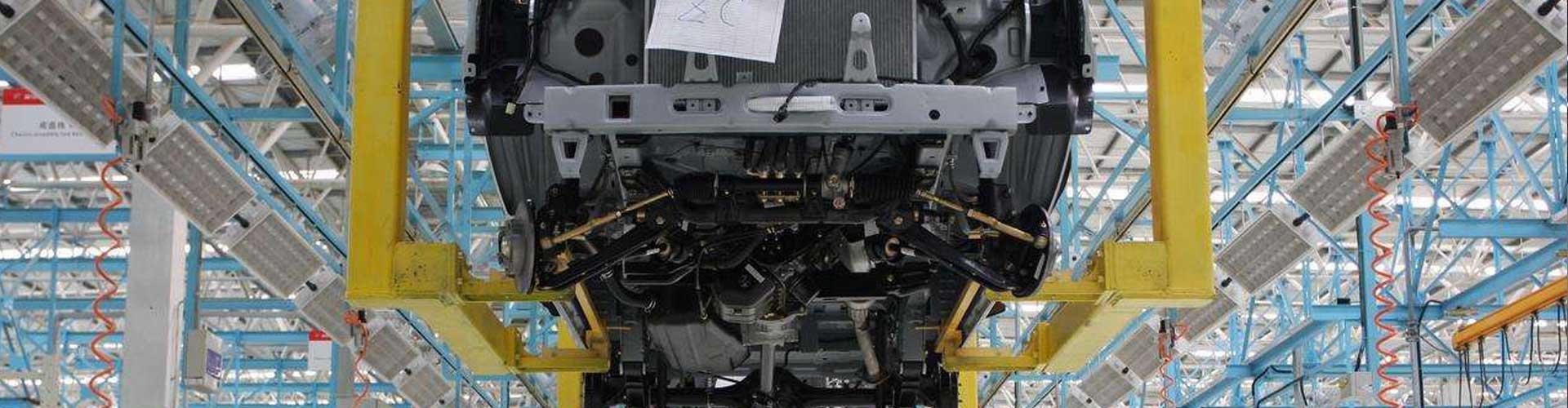
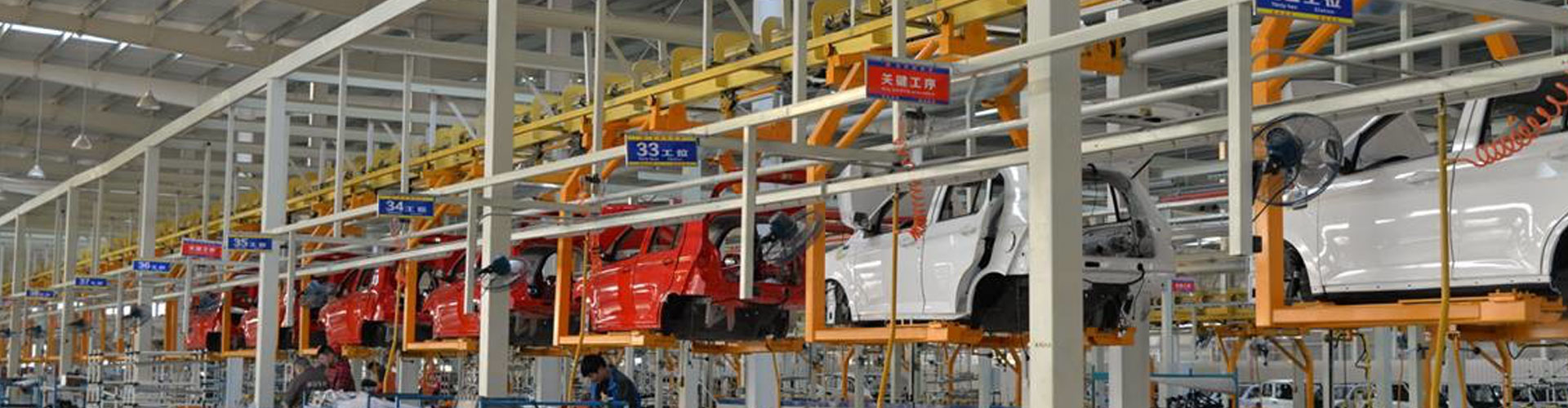
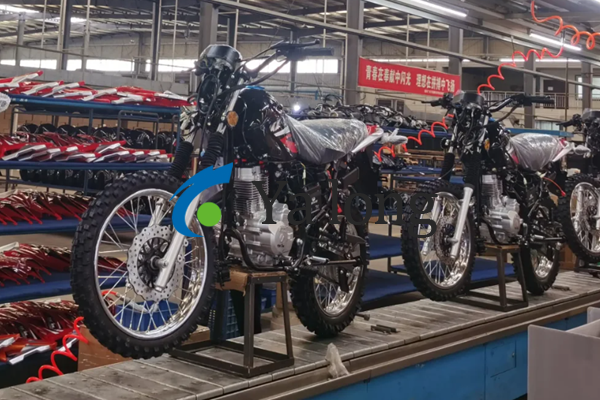
From electric bikes and mopeds to electric motorcycles and electric tricycles, the core technology used across the motorcycle assembly line, tricycle assembly line, and e-bike assembly line is actually the exact same thing: the plate chain conveyor line.
Where do the differences lie? Not in the "line" itself, but in the width, load capacity, fixtures and jigs, and material delivery methods. This article breaks down everything you need to know.
A plate chain line, simply put, is a planar circulating conveyor system composed of steel structure guides, steel plate chains, and specialized needle roller chains. It pulls the frame along from station to station—stopping at each workstation so workers can install the required parts, then releasing it to move on to the next station.
Why can this system handle electric motorcycles, electric bikes, and electric tricycles all at once? Because its key specifications perfectly match the assembly requirements of motorcycle assembly lines, tricycle assembly lines, and e-bike assembly lines:
|
Parameter |
Typical Range |
Corresponding Requirement |
|---|---|---|
|
Single-point load capacity |
200–500 kg |
Sufficient for a three-wheeler's entire vehicle + batteries + components |
|
Operating speed |
0.5–6 m/min, stepless speed regulation |
Can match different takt times and worker skill levels |
|
Line width |
800–1200 mm (two-wheelers); can be widened to 710 mm+ including material troughs (three-wheelers) |
Simply customize according to frame width |
|
Stopping accuracy |
Sensor + PLC control |
Precise stopping at every station, with foot valves or stoppers to control the takt time |
So when you go to an equipment manufacturer and say, "I need a motorcycle assembly line," or "I need a tricycle assembly line," the solutions they give you are fundamentally all plate chain lines—it's just that the model code might change from DDC to SLC, the parameters get adjusted, and the fixtures get swapped out.
This isn't cutting corners; it's industry consensus.
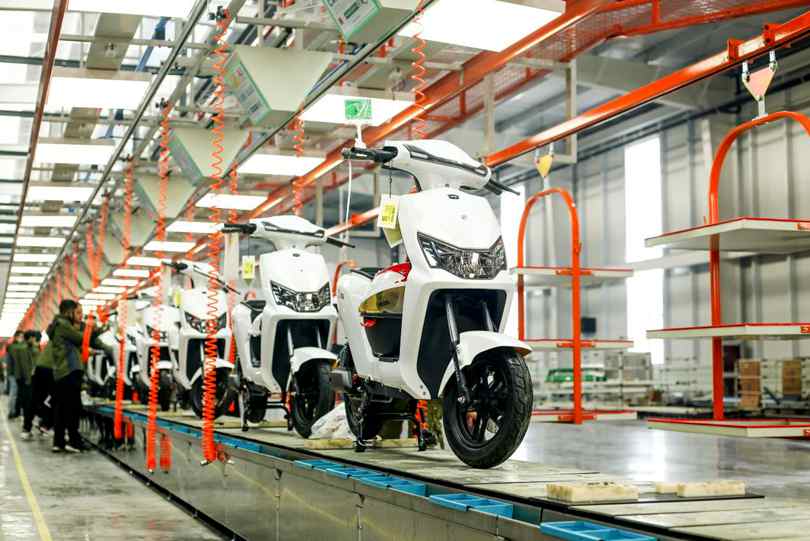
The plate chain line serves as the backbone whether you're running a motorcycle assembly line, a tricycle assembly line, or an e-bike assembly line—but what really affects workshop efficiency is how materials get to the workers.
Here's a very practical rule of thumb:
🔴 High volume (300+ units/day) → Go with overhead systems
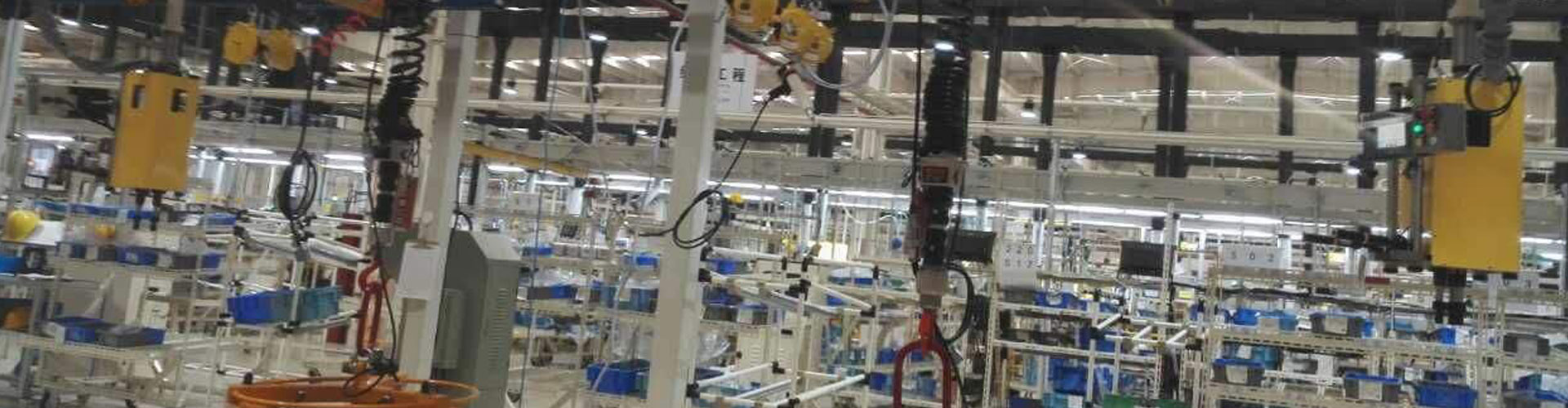
For a high-volume e-bike assembly line or motorcycle assembly line, the mainstream approach is: install an integrated overhead bridge above the plate chain line that combines lighting and station numbering, then hang overhead material racks so parts are suspended right above or beside the worker.
Going a step further, heavy-duty plate chain lines can be integrated with overhead conveyors, roller lines, and elevators to form a three-dimensional automated tricycle or motorcycle assembly line. This is currently one of the most mature solutions for full-factory automation at large enterprises.
The benefits are obvious:
🟡 Average volume (around 100 units/day or less) → Mobile carts + line-side racks
For a smaller-scale e-bike assembly line or tricycle assembly line, there's no need for overhead systems—the payback period is too long. The proven alternative is:
This setup has low upfront cost and high flexibility—especially useful when switching between small-batch, multi-model production.
One-line summary: Production volume determines the delivery method. Don't apply a large-scale motorcycle assembly line solution to a small e-bike assembly line capacity, and don't let a small-scale approach become the bottleneck for a high-volume tricycle assembly line.
This needs to be said separately—a tricycle assembly line cannot be built by simply scaling up an e-bike assembly line's parameters.
A few critical differences:
I've seen several factories take an e-bike assembly line drawing, simply add 200 mm to the width, and call it a tricycle assembly line. The result? Deformed chain plates, inaccurate stopping, and misaligned fixtures. The rework cost was many times higher than the design fee they tried to save in the first place.
If you're facing a "mixed-model production" challenge—today it's a motorcycle assembly line, tomorrow it's an enclosed tricycle assembly line, the day after it's something else—traditional plate chain lines have an inherent drawback: switching models means high costs for reconfiguring fixtures and adjusting takt times.
A complementary solution has emerged recently: dual-mode operation of a plate chain line + AGV flexible assembly for your motorcycle, tricycle, or e-bike assembly line.
For manufacturers facing an ever-increasing number of SKUs and faster model iterations, this is a strategy worth reserving interfaces for in advance. Even if you don't implement AGV now, make sure the floor flatness, power routing, and network coverage are planned properly during the plate chain line design phase—it will save you a lot of trouble and money when upgrading later.
If you're planning a new motorcycle assembly line, tricycle assembly line, or e-bike assembly line, these three questions are all you need to ask yourself:
|
Decision Point |
How to Decide |
|---|---|
|
Annual production volume threshold |
300+ units/day → consider overhead systems; below that → mobile carts + line-side racks |
|
Vehicle model mix |
Single model, high volume → standard plate chain line; multi-model mixed-line → reserve AGV interfaces |
|
Proportion of three-wheelers |
If over 30%, the line body must be independently designed to tricycle assembly line specifications—no "making do" |
Electric bikes, electric motorcycles, and electric tricycles may look like completely different products, but the technical logic across a motorcycle assembly line, a tricycle assembly line, and an e-bike assembly line is the same. Plate chain conveyor as the backbone, material delivery chosen based on production volume, and fixtures customized per vehicle model—these three sentences basically cover the entire core of assembly line planning for this industry.
What truly separates one motorcycle assembly line or tricycle assembly line from another isn't how expensive the equipment is—it's whether the parameters are chosen accurately, whether enough provisions are made for future needs, and how flexibly the line can handle model changeovers.
Previous: What key factors need to...
Next: No more results